Pty Ltd vs CC vs Sole Proprietor: Which Business Structure Wins in SA?
“Should I just trade in my own name?” is the first real decision every South African entrepreneur faces. Choose wrong and you risk your house for a business debt; choose right and the structure quietly protects you for decades. Here is the honest comparison.
The three structures side by side
| Sole proprietor | Close corporation (CC) | Private company (Pty) Ltd | |
|---|---|---|---|
| Separate legal entity | No | Yes | Yes |
| Personal liability | Unlimited – your assets are exposed | Limited | Limited |
| Still available for new registrations? | Yes | No (since 2011) | Yes |
| Tax | Personal rates up to 45% | 27% flat corporate rate | 27% flat corporate rate |
| Annual compliance | Almost none | CIPC annual return | CIPC annual return |
| Credibility with banks and tenders | Low | Medium | High |
| Ownership transfers | Not possible | Membership changes | Easy share transfers |
Why the (Pty) Ltd wins for most people
A private company is a separate legal person: it can own property, sign contracts, sue and be sued – without putting your personal assets on the line. It survives you, which matters for contracts, employees and your family. Banks open accounts more readily, big clients require it for supplier databases, and selling shares later is simple with proper share certificates and registers. Registration costs just R275 through Admin Boss – see our complete (Pty) Ltd guide for the full picture.
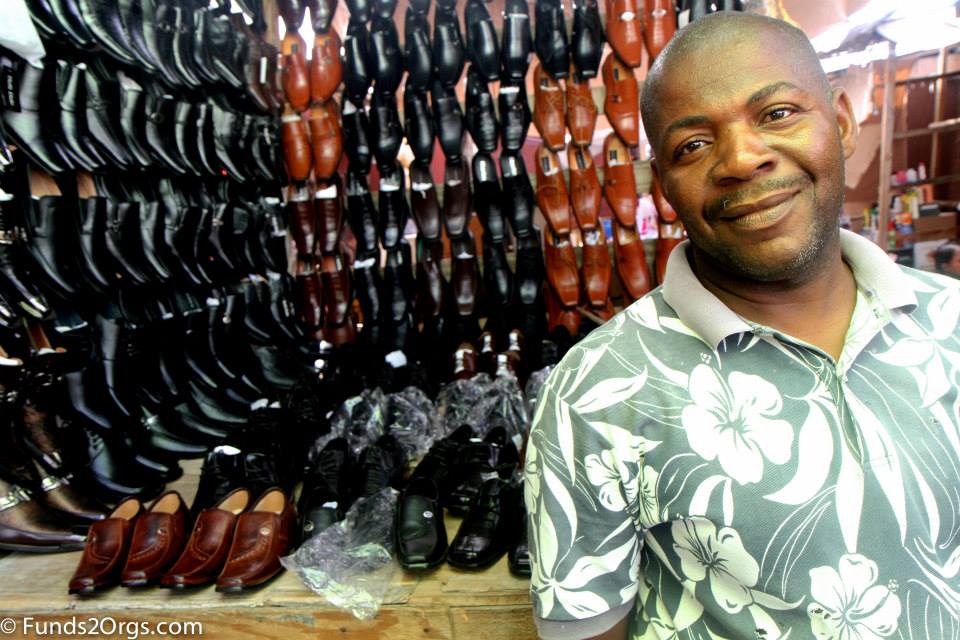
Structure first, then scale. Photo: via Wikimedia Commons.
Already trading as a sole proprietor or stuck in an old CC?
You are not locked in. Sole proprietors can register a company and migrate the business across (banks and contracts move cleanly when done properly). CC owners can convert to a (Pty) Ltd through CIPC – Admin Boss handles the full conversion for R500. Either way, talk to us first and we will map the cheapest, cleanest route. The Admin Boss start-a-business division has helped hundreds of owners make this exact move.
(Pty) Ltd registration for R275, or CC conversion for R500 – done for you.
Register my company →
Frequently asked questions
Is a sole proprietor or a (Pty) Ltd better in South Africa?
For most growing businesses a (Pty) Ltd is better: it protects your personal assets, looks more credible to banks and clients, and can outlive you. A sole proprietorship is simpler and cheaper but you are personally liable for every business debt.
Can I still register a close corporation (CC)?
No. Since the Companies Act of 2008 took effect in 2011, no new close corporations can be registered. Existing CCs continue to operate, and can be converted to a (Pty) Ltd – Admin Boss does the conversion for R500.
Do sole proprietors pay less tax than companies?
Not necessarily. Sole proprietors pay personal income tax on business profits at sliding rates up to 45%, while companies pay a flat 27% plus dividends tax on withdrawals. The better option depends on your profit level – get advice before deciding.
Is a (Pty) Ltd more expensive to run?
Slightly. A company has annual CIPC returns (from R100), more formal record-keeping and separate tax filings, while a sole proprietorship has almost no admin. Most owners find the liability protection and credibility well worth the small extra cost.
Can I convert my sole proprietorship to a (Pty) Ltd later?
Yes, and many businesses do exactly that once revenue grows. You register a new company and move the business into it. Starting as a (Pty) Ltd from day one simply skips that painful migration.
Last reviewed: August 2026. Sources: CIPC and SARS. This article is general information, not legal or tax advice.